

Espresso Maker - A Must-Have For Home Baristas
Espresso is a dark, strong drink that is produced by pushing hot coffee through finely ground, tightly packed coffee grounds. It is the foundation for many popular café drinks.
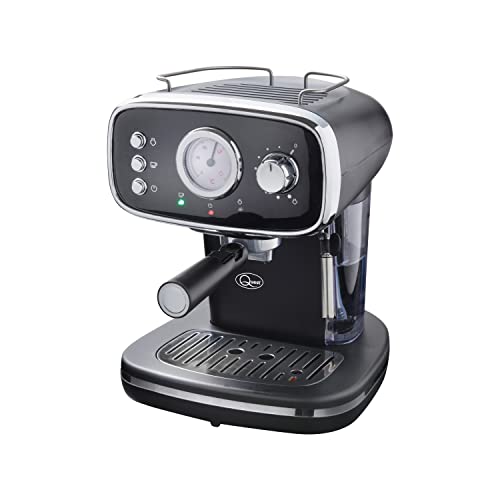
A skilled barista (also known as an espresso maker) manages a range of variables to make a great cup of espresso. This includes the temperature of the water, its pressure and how tightly the coffee is packed.
Origins
The espresso machine is a device that uses high pressure to push small quantities of water close to boiling through finely ground beans. The resultant drink is stronger than drip coffee, and is more concentrated and served in smaller cups. It's a great choice for those who prefer a strong cup of coffee but need it in a hurry!
In the 19th century the first espresso machines were invented. The coffee industry was a big business, but brewing it took way too long. Impatient people everywhere were hungry for coffee in a hurry!
Angelo Moriondo of Turin patented one of the first coffee machines in 1884. The name of the machine was "New steam machine, for the economical and rapid preparation of coffee beverage. Method A." Moriondo."
Luigi Bezzerra, Desiderio Pavoni and other Milanese manufacturers improved and modified this machine. They incorporated the portafilter and brewheads with multiple brewheads as well as other innovations that are used in espresso machines today. The machine was dubbed the Ideale and was a hit with the crowds at the 1906 Milan Fair. Nine out of ten Italian homes have a Moka Pot.
Variations
Espresso is more concentrated in flavor than coffee. It is more flavorful than. It can be paired with milk and creates café favorite drinks like cappuccinos and lattes. The strong flavor of espresso is evident in baked goods recipes as well as marinades and other dishes.
There are four kinds of espresso makers such as manual lever semi-automatic, automated, and super-automatic machines. Each uses a distinct method to extract the espresso.
A manual lever works with a piston that is mechanically operated to press water through ground. It's a good balance between human control and mechanized accuracy. You still have the grind, tamp, and pull shot, but you can control the pressure and temperature of the water better.
Moka pots, a different manual espresso maker, work similarly to modern espresso machines that are powered by pumps. In an airtight tank boiling water, the steam produced by the boiler creates steam. This steam is then transported into a basket containing ground coffee, and then through a filter made of metal into the top cup. These machines are less expensive, however, they only produce 1-1.5 bars of steam pressure. This isn't enough to make espresso.
Ingredients
Espresso makers can help baristas at home create popular cafe drinks like lattes and cappuccinos. You can add flavoring extracts or syrups to espresso shots to make a luscious drink such as an espresso martini.
To enjoy a delicious espresso drink, you need high-quality beans, fresh milk, and sugar. To ensure a consistent extraction, search for coffee beans that have a special espresso label. Grind them finely. You can test various roasts until you discover the one that matches your taste.
You'll also need a burr grinder that grinds beans to a uniform texture. The espresso machine comes with an in-line portafilter to hold the grounds, as well as a tamper. This is used to seal the coffee.
Then, you'll require a set of espresso cups and a steamer, or a frother to make the silky aerated milk that is typical of espresso drinks. Some machines come with steam wands that help with the process. It is also necessary to clean your machine on a regular basis that involves running vinegar and water through the system.
Techniques
Espresso Brewing relies on the creation of pressure to rapidly extract intense flavors from finely ground dark-roast, dark-roast brewed coffee packed into a "puck." This method of brewing results in an intense coffee shot, referred to as espresso. If done correctly espresso is a delicious crema (or dense foam) over the top.
Most espresso makers use high pressure water to force through finely ground coffee under high temperatures. This is different from the Moka Express, which uses heat to remove coarsely ground coffee. This results in an espresso-like drink that can be dilute with milk or water to make different drinks, like lattes or cappuccinos.
The Moka Express is a low-cost basic appliance. Other espresso machines are more complicated, expensive and offer a variety drinks. The most well-known lever machines are Italian-designed and use spring-loaded arm to dispense hot water from a cylinder into the portafilter. A barista operating this type of machine can decide the timing of the shot, and adjust variables such as grind size and temperature on a shot-byshot basis to get the most optimal results. These machines were instrumental in bringing espresso to greater prominence across Italy and Europe.
Equipment
An espresso machine that is good be able extract soluble and non-soluble solids from finely grinded tightly packed coffee. This process is assisted by controlled variables and pressure, like temperature and grind size. Then there's the flavor which is determined by several factors including the beans as well as how they're handled as well as brewed.
There are many different kinds of espresso machines , however the semiautomatic is the most popular. It utilizes an electric pump to force the water through the grounds. It also allows the user to do the grinding and the tapping. These machines are among the most affordable, however they're not as consistent as spring pistons or other manual designs.
The higher-end lever models come with an accurate piston that does the work. They're more tolerant than spring piston machines however, they require some experience to use correctly. These machines require a lot more maintenance. You will need to warm up the portafilter and then take apart the portafilter and piston every time.